


Exodus 3-4: With an "Enigmatic" Punchline
- Hinda Eisen Labovitz
- Jan 9
- 14 min read

Exodus 3-4 brings us the negotiation between God and Moshe, in which Moshe ultimately discovers that he has no choice but to lead. Moshe is famously reluctant to take on this role. More than just protesting on the basis of "heavy of speech" (k'vad lashon, left intentionally untranslated/uninterpreted, to be discussed another time), Moshe rebuffs God's continued insistence that he rise to the occasion and lead God's People out of Egypt. SIX times. Moses makes every excuse in the book, tries to wriggle out of the demand by every angle possible, and the reader can feel God getting more and more frustrated, though the actual text (as usual) names very few feelings.
Following the dialogue, there is a three-verse episode that seems to come out of nowhere, leading commentator Robert Alter to write, "This elliptic story is the most enigmatic episode in all of Exodus."
That ״enigmatic episode״ is this one:
And GOD said to Moshe, “When you return to Egypt, see that you perform before Pharaoh all the marvels that I have put within your power. I, however, will stiffen his heart so that he will not let the people go. Then you shall say to Pharaoh, ‘Thus says GOD: Israel is My first-born son. I have said to you, “Let My son go, that he may worship Me,” yet you refuse to let him go. Now I will slay your first-born son.’”
וַיֹּ֣אמֶר ה׳ אֶל־מֹשֶׁה֒ בְּלֶכְתְּךָ֙ לָשׁ֣וּב מִצְרַ֔יְמָה רְאֵ֗ה כָּל־הַמֹּֽפְתִים֙ אֲשֶׁר־שַׂ֣מְתִּי בְיָדֶ֔ךָ וַעֲשִׂיתָ֖ם לִפְנֵ֣י פַרְעֹ֑ה וַאֲנִי֙ אֲחַזֵּ֣ק אֶת־לִבּ֔וֹ וְלֹ֥א יְשַׁלַּ֖ח אֶת־הָעָֽם׃ וְאָמַרְתָּ֖ אֶל־פַּרְעֹ֑ה כֹּ֚ה אָמַ֣ר ה׳ בְּנִ֥י בְכֹרִ֖י יִשְׂרָאֵֽל׃ וָאֹמַ֣ר אֵלֶ֗יךָ שַׁלַּ֤ח אֶת־בְּנִי֙ וְיַֽעַבְדֵ֔נִי וַתְּמָאֵ֖ן לְשַׁלְּח֑וֹ הִנֵּה֙ אָנֹכִ֣י הֹרֵ֔ג אֶת־בִּנְךָ֖ בְּכֹרֶֽךָ׃
At a night encampment on the way, GOD encountered him and sought to kill him. So Tsipporah took a flint and cut off her son’s foreskin, and touched his legs with it, saying, “You are truly a bridegroom of blood to me!” And when [God] let him alone, she added, “A bridegroom of blood because of the circumcision.”
וַיְהִ֥י בַדֶּ֖רֶךְ בַּמָּל֑וֹן וַיִּפְגְּשֵׁ֣הוּ ה׳ וַיְבַקֵּ֖שׁ הֲמִיתֽוֹ׃ וַתִּקַּ֨ח צִפֹּרָ֜ה צֹ֗ר וַתִּכְרֹת֙ אֶת־עָרְלַ֣ת בְּנָ֔הּ וַתַּגַּ֖ע לְרַגְלָ֑יו וַתֹּ֕אמֶר כִּ֧י חֲתַן־דָּמִ֛ים אַתָּ֖ה לִֽי׃ וַיִּ֖רֶף מִמֶּ֑נּוּ אָ֚ז אָֽמְרָ֔ה חֲתַ֥ן דָּמִ֖ים לַמּוּלֹֽת׃
GOD said to Aaron, “Go to meet Moses in the wilderness.” He went and met him at the mountain of God, and he kissed him.
וַיֹּ֤אמֶר ה׳ אֶֽל־אַהֲרֹ֔ן לֵ֛ךְ לִקְרַ֥את מֹשֶׁ֖ה הַמִּדְבָּ֑רָה וַיֵּ֗לֶךְ וַֽיִּפְגְּשֵׁ֛הוּ בְּהַ֥ר הָאֱלֹהִ֖ים וַיִּשַּׁק־לֽוֹ׃
Moses told Aaron about all the things that GOD had committed to him and all the signs about which he had been instructed. (RJPS, Exodus 4:21-28)
וַיַּגֵּ֤ד מֹשֶׁה֙ לְאַֽהֲרֹ֔ן אֵ֛ת כָּל־דִּבְרֵ֥י ה׳ אֲשֶׁ֣ר שְׁלָח֑וֹ וְאֵ֥ת כָּל־הָאֹתֹ֖ת אֲשֶׁ֥ר צִוָּֽהוּ׃
What is this story doing here? What does it teach us by its context and content? Is it relevant to the broader discussion that precedes and follows it? Commentators have suggested that it's out of context, slapped in by a messy redactor. Alter summarizes,
Traditional Jewish commentators seek to naturalize the story to a more normative monotheism by claiming that Moses has neglected the commandment to circumcise his son (sons?), and that is why the LORD threatens his life.
A baraita in Nedarim 31b alternately suggests that Moses had delayed his son's circumcision so that he would not be in danger, or in pain, during the three days of travel. Rabbi Yose brings this as proof that one should not delay the rite of circumcision for mundane affairs.
And for flair, the Midrash on Shemot Rabbah describes an angel turning into a serpent, trying to swallow Moshe half-way in order to teach his wife, Tzipporah, about the obligation to circumcise. (This is where my mom would say, "And that's how we know the rabbis didn't have cable TV.")
I am going to contend that not only does the story belong here, it's actually the climax, and the turning-point of the story.
Perhaps the narrative would become easier to understand if we paraphrase it more colloquially as a dialogue between Moshe and God, as follows:
“I am the God of your father—the God of Abraham, the God of Isaac, and the God of Jacob.” And Moses hid his face, for he was afraid to look at God. And GOD continued, “I have marked well the plight of My people in Egypt and have heeded their outcry because of their taskmasters; yes, I am mindful of their sufferings. I have come down to rescue them from the Egyptians and to bring them out of that land to a good and spacious land...
אָנֹכִי֙ אֱלֹהֵ֣י אָבִ֔יךָ אֱלֹהֵ֧י אַבְרָהָ֛ם אֱלֹהֵ֥י יִצְחָ֖ק וֵאלֹהֵ֣י יַעֲקֹ֑ב וַיַּסְתֵּ֤ר מֹשֶׁה֙ פָּנָ֔יו כִּ֣י יָרֵ֔א מֵהַבִּ֖יט אֶל־הָאֱלֹהִֽים׃ וַיֹּ֣אמֶר יְהֹוָ֔ה רָאֹ֥ה רָאִ֛יתִי אֶת־עֳנִ֥י עַמִּ֖י אֲשֶׁ֣ר בְּמִצְרָ֑יִם וְאֶת־צַעֲקָתָ֤ם שָׁמַ֙עְתִּי֙ מִפְּנֵ֣י נֹֽגְשָׂ֔יו כִּ֥י יָדַ֖עְתִּי אֶת־מַכְאֹבָֽיו׃ וָאֵרֵ֞ד לְהַצִּיל֣וֹ ׀ מִיַּ֣ד מִצְרַ֗יִם וּֽלְהַעֲלֹתוֹ֮ מִן־הָאָ֣רֶץ הַהִוא֒ אֶל־אֶ֤רֶץ טוֹבָה֙ וּרְחָבָ֔ה...
Now the cry of the Israelites has reached Me; moreover, I have seen how the Egyptians oppress them. Come, therefore, I will send you to Pharaoh, and you shall free My people, the Israelites, from Egypt.” But Moses said to God, “Who am I that I should go to Pharaoh and free the Israelites from Egypt?” “I will be with you; that shall be your sign that it was I who sent you. And when you have freed the people from Egypt, you shall worship God at this mountain.” (RJPS, Exodus 3:9-12)
וְעַתָּ֕ה הִנֵּ֛ה צַעֲקַ֥ת בְּנֵי־יִשְׂרָאֵ֖ל בָּ֣אָה אֵלָ֑י וְגַם־רָאִ֙יתִי֙ אֶת־הַלַּ֔חַץ אֲשֶׁ֥ר מִצְרַ֖יִם לֹחֲצִ֥ים אֹתָֽם׃ וְעַתָּ֣ה לְכָ֔ה וְאֶֽשְׁלָחֲךָ֖ אֶל־פַּרְעֹ֑ה וְהוֹצֵ֛א אֶת־עַמִּ֥י בְנֵֽי־יִשְׂרָאֵ֖ל מִמִּצְרָֽיִם׃ וַיֹּ֤אמֶר מֹשֶׁה֙ אֶל־הָ֣אֱלֹהִ֔ים מִ֣י אָנֹ֔כִי כִּ֥י אֵלֵ֖ךְ אֶל־פַּרְעֹ֑ה וְכִ֥י אוֹצִ֛יא אֶת־בְּנֵ֥י יִשְׂרָאֵ֖ל מִמִּצְרָֽיִם׃ וַיֹּ֙אמֶר֙ כִּֽי־אֶֽהְיֶ֣ה עִמָּ֔ךְ וְזֶה־לְּךָ֣ הָא֔וֹת כִּ֥י אָנֹכִ֖י שְׁלַחְתִּ֑יךָ בְּהוֹצִֽיאֲךָ֤ אֶת־הָעָם֙ מִמִּצְרַ֔יִם תַּֽעַבְדוּן֙ אֶת־הָ֣אֱלֹהִ֔ים עַ֖ל הָהָ֥ר הַזֶּֽה׃
GOD
Moshe, thanks for noticing me here in this Fiery Shrub. Let me introduce myself. I am God. Your ancestors knew me. You've been raised among the Egyptian royalty, but I know that you know that their enslaving the Israelites is WRONG. You know Pharaoh, you may even like the guy -- but someone needs to speak truth to power, and it's always better for the speaker to have a relationship with the one hearing it. I know you've already taken action yourself. But this people is MY people, and I am ready to redeem them, but I need you to lead the way, me being incorporeal and invisible and all of that.
MOSHE
Uh, hi, booming voice from the Burning Bush. Good for me to have the history and context but... uhm.... I think you got the wrong guy.
GOD
Nice try, Moshe. I don't make mistakes. I am God, My reputation precedes me. I will be with you. Take My word on that, and as soon as you liberate My people, we'll meet right back here.
Moses said to God, “When I come to the Israelites and say to them, ‘The God of your fathers has sent me to you,’ and they ask me, ‘By which name?’ what shall I say to them?” And God said to Moses, “Ehyeh-Asher-Ehyeh,” continuing, “Thus shall you say to the Israelites, ‘Ehyeh sent me to you.’” (RJPS, Exodus 3:13-14)
וַיֹּ֨אמֶר מֹשֶׁ֜ה אֶל־הָֽאֱ-לֹהִ֗ים הִנֵּ֨ה אָנֹכִ֣י בָא֮ אֶל־בְּנֵ֣י יִשְׂרָאֵל֒ וְאָמַרְתִּ֣י לָהֶ֔ם אֱ-לֹהֵ֥י אֲבוֹתֵיכֶ֖ם שְׁלָחַ֣נִי אֲלֵיכֶ֑ם וְאָֽמְרוּ־לִ֣י מַה־שְּׁמ֔וֹ מָ֥ה אֹמַ֖ר אֲלֵהֶֽם׃ וַיֹּ֤אמֶר אֱ-לֹהִים֙ אֶל־מֹשֶׁ֔ה אֶֽ-הְיֶ֖ה אֲשֶׁ֣ר אֶֽ-הְיֶ֑ה וַיֹּ֗אמֶר כֹּ֤ה תֹאמַר֙ לִבְנֵ֣י יִשְׂרָאֵ֔ל אֶֽהְיֶ֖ה שְׁלָחַ֥נִי אֲלֵיכֶֽם׃
MOSHE (getting kvetchy)
You realize I'm not one of them, right? If I say "God is with me," they're not coming along just because I said so. They'll think I'm looney tunes. Is there a passcode or something? If there's a passcode you might want to tell me now so I can be ready.
GOD (considering)
Good question. You're probably right, although I can tell you they certainly know who you are. You're the stuff of legends, Moshe! Tell them, "Ehyeh-Asher-Ehyeh." They'll know what it means.
But Moses spoke up and said, “What if they do not believe me and do not listen to me, but say: GOD did not appear to you?” (RJPS, Exodus 4:1)
וַיַּ֤עַן מֹשֶׁה֙ וַיֹּ֔אמֶר וְהֵן֙ לֹֽא־יַאֲמִ֣ינוּ לִ֔י וְלֹ֥א יִשְׁמְע֖וּ בְּקֹלִ֑י כִּ֣י יֹֽאמְר֔וּ לֹֽא־נִרְאָ֥ה אֵלֶ֖יךָ ה׳׃
MOSHE (slowly backing away from the Burning Bush, palms forward and shaking his hands as he moves backward)
Yeah, God, I don't think this is going to work. I appreciate the offer, but those people don't even know me ... I'm not the right guy for the job. I'd rather herd sheep than try to herd this group of cats -- um, slaves -- out of Egypt. These are not my peeps.
GOD (Rolls God's eyes like a teenager and starts to frustratedly ooze sass toward Moshe. Huffs audibly.)
Moshe - STOP. WALKING. You want signs? You want wonders? You need something magical? You got it. I can turn your staff into a snake, and I can give you leprosy and then make it POOF! disappear.
(The opening trumpet-intro from "Never Had a Friend Like Me" from Aladdin plays in the background)
I can make it seem as supernatural as you want, Moshe. That's easy for me. But this isn't up for debate. My people are suffering, and you are the only one who can save them now. I'm not taking "No" for an answer; there is no alternative for you. Buck up, and let's go.
But Moses said to GOD, “Please, O my Sovereign, I have never been a man of words, either in times past or now that You have spoken to Your servant; I am slow of speech and slow of tongue.”
וַיֹּ֨אמֶר מֹשֶׁ֣ה אֶל־ה׳ בִּ֣י אֲדֹנָי֒ לֹא֩ אִ֨ישׁ דְּבָרִ֜ים אָנֹ֗כִי גַּ֤ם מִתְּמוֹל֙ גַּ֣ם מִשִּׁלְשֹׁ֔ם גַּ֛ם מֵאָ֥ז דַּבֶּרְךָ֖ אֶל־עַבְדֶּ֑ךָ כִּ֧י כְבַד־פֶּ֛ה וּכְבַ֥ד לָשׁ֖וֹן אָנֹֽכִי׃
And GOD said to him, “Who gives humans speech? Who makes them dumb or deaf, seeing or blind? Is it not I, GOD? Now go, and I will be with you as you speak and will instruct you what to say.” (RJPS, Exodus 4:10-12)
וַיֹּ֨אמֶר ה׳ אֵלָ֗יו מִ֣י שָׂ֣ם פֶּה֮ לָֽאָדָם֒ א֚וֹ מִֽי־יָשׂ֣וּם אִלֵּ֔ם א֣וֹ חֵרֵ֔שׁ א֥וֹ פִקֵּ֖חַ א֣וֹ עִוֵּ֑ר הֲלֹ֥א אָנֹכִ֖י ה׳׃ וְעַתָּ֖ה לֵ֑ךְ וְאָנֹכִי֙ אֶֽהְיֶ֣ה עִם־פִּ֔יךָ וְהוֹרֵיתִ֖יךָ אֲשֶׁ֥ר תְּדַבֵּֽר׃
MOSHE (Eyes darting back-and-forth, wringing hands, pacing frantically, as he tries to think of any remaining argument.)
God, Listen: I'm--I'm a shepherd. I have basically zero public speaking experience. My parents started a rumor that I once put a hot coal on my tongue to get people to expect me never to open my mouth in public. Now you want me to speak truth to power? Speak to the People of Israel?? What if they think I'm a fraud? What if they mock me? What if... (trails off)
GOD (ROARING)
WHO DO YOU THINK YOU ARE?? YOU ARE A PEON. I AM GOD! I MAKE HUMANS SPEAK, I MAKE HUMANS HEAR AND SEE AND MOVE AND BREATHE. I MADE YOU. I KNOW WHAT HUMANS CAN DO AND I BESTOW THEIR TALENTS AND CAN YANK AWAY THEIR CAPACITY. (sneering) Quite frankly, I don't care what you think of your abilities. I know you're capable. I know you're the right choice. And I am going to do most of the work! Now - GO. Get outta here!
But [Moses] said, “Please, O my Sovereign, make someone else Your agent.”
וַיֹּ֖אמֶר בִּ֣י אֲדֹנָ֑י שְֽׁלַֽח־נָ֖א בְּיַד־תִּשְׁלָֽח׃
MOSHE (Having shrunken down through God's roaring rant, shielding his face with his hands. Weeping. Begging. Speaks in a near-whisper, whimpering between words.)
God - Please. Please. Send someone else.
GOD became angry with Moses and said, “There is your brother Aaron the Levite. He, I know, speaks readily. Even now he is setting out to meet you, and he will be happy to see you. (RJPS, Exodus 4:13-14)
וַיִּֽחַר־אַ֨ף ה׳ בְּמֹשֶׁ֗ה וַיֹּ֙אמֶר֙ הֲלֹ֨א אַהֲרֹ֤ן אָחִ֙יךָ֙ הַלֵּוִ֔י יָדַ֕עְתִּי כִּֽי־דַבֵּ֥ר יְדַבֵּ֖ר ה֑וּא וְגַ֤ם הִנֵּה־הוּא֙ יֹצֵ֣א לִקְרָאתֶ֔ךָ וְרָאֲךָ֖ וְשָׂמַ֥ח בְּלִבּֽוֹ׃
GOD (Through God's teeth in seething anger, calmed by desperation.)
Moshe, the conversation is O.VER. (sighs audibly, grumbling, at least 3 seconds) If you really think you need help, I will enlist your brother Aharon to be your aide and mouthpiece when necessary. At least he will be happy to see you. This is an acceptable, though not ideal, compromise. But I don't need any more protest from you, so he's already on his way to greet you. You will take my Children out of Egypt. You have no other choice. (Pause, Heaves. Nearly weeping) I have no other choice. We must go to Egypt straightaway. My Firstborn Child's future, and mine, hangs in the balance.
Moses went back to his father-in-law [Jethro] and said to him, “Let me go back to my kinsfolk in Egypt and see how they are faring.” And Jethro said to Moses, “Go in peace.”
וַיֵּ֨לֶךְ מֹשֶׁ֜ה וַיָּ֣שָׁב ׀ אֶל־יֶ֣תֶר חֹֽתְנ֗וֹ וַיֹּ֤אמֶר לוֹ֙ אֵ֣לְכָה נָּ֗א וְאָשׁ֙וּבָה֙ אֶל־אַחַ֣י אֲשֶׁר־בְּמִצְרַ֔יִם וְאֶרְאֶ֖ה הַעוֹדָ֣ם חַיִּ֑ים וַיֹּ֧אמֶר יִתְר֛וֹ לְמֹשֶׁ֖ה לֵ֥ךְ לְשָׁלֽוֹם׃
GOD said to Moses in Midian, “Go back to Egypt, for all those who sought to kill you are dead.”
וַיֹּ֨אמֶר יְהֹוָ֤ה אֶל־מֹשֶׁה֙ בְּמִדְיָ֔ן לֵ֖ךְ שֻׁ֣ב מִצְרָ֑יִם כִּי־מֵ֙תוּ֙ כָּל־הָ֣אֲנָשִׁ֔ים הַֽמְבַקְשִׁ֖ים אֶת־נַפְשֶֽׁךָ׃
Moshe, not yet ready to saddle up and get going, takes a side-trip to his father's house, still unsure whether or not he's going to Egypt. Life in Midian is just easier. He has his wife, his two sons, a good home. He's comfortable here. And yet, Yitro seems to already know that Moshe has been given marching orders. Moshe can see it in Yitro's soft eyes, and appreciates the basket of food and water Yitro has prepared for his journey.
MOSHE darts around the scene finding every reason not to leave -- he forgot his keys, the camel needs more water, he's not wearing socks, Eliezer needs a new diaper, he needs an extra high-five from one of the shepherds, he's worried about his flock going astray again... GOD is getting more and more agitated.
GOD
(Inner monologue breaking the fourth wall and not to Moshe, who is still miming getting distracted by things around his tent and creating reasons not to leave.)
I can't believe this. This guy (points) is my last hope for redeeming the People of Israel?? He doesn't get it! My Children - my Bekhor, my Legacy - will not be abandoned because Moshe doesn't understand what's at stake. All Moshe's life he has been pampered. Life in the Palace. Servants who cater to his every whim. Even on the run he has found calm and peace.
But My Children are suffering. The situation is dire, and they need our help. Moshe - he doesn't understand what it's like for parents to worry about their children. He has never seen the underbelly of life, the dark hellish moments of torture in which any moves taken must be decisive and swift. He does not understand what it is like for a parent whose children are in danger.
Before Moshe can be the Redeemer of the People, he must first understand the urgency of their suffering. Of the impact their suffering has on Me.
GOD
(To Moshe. Moshe collects himself, clicks his heels, stands at attention and freezes very still)
Moshe, Moshe! You will need all of the signs and wonders that I put in your toolbox to get this done. Snakes, staves, leprosy - everything. Tell Pharaoh, even if he's not ready to hear it, that the penalty for not listening to you is the Death of his First Born Son.
If the other threats along the way aren't enough to get him to send My Children out of Egypt, let him understand that we have the Ace of Spades in our deck, and we are not afraid to play it. Just say to Pharaoh, "Israel is my first-born son. Let My People Go. If you do not redeem My Firstborn out of slavery then I will have no choice but to inflict this same wound on you." Please, Moshe, help me make it stop.
MOSHE breaks his freeze and resumes finding reasons not to leave, as GOD begins weeping.
FADE OUT.
The narrative continues with our enigmatic set of three verses.
I'll leave it there, unresolved. Because... do you believe in a God who would threaten the child of a main biblical character just to prove a point to that person?
Of course you do. At least, the Biblical Author certainly does:
Avraham and Yitzchak in the Akeidah. Job and the loss of his ten children all in the same day. David and Batsheva and their first son. Jacob. Joseph. Perhaps even Judah and Tamar. Just to name a few of many.
And GOD said to Moshe, “When you return to Egypt, see that you perform before Pharaoh all the marvels that I have put within your power. I, however, will stiffen his heart so that he will not let the people go. Then you shall say to Pharaoh, ‘Thus says GOD: Israel is My first-born son. I have said to you, “Let My son go, that he may worship Me,” yet you refuse to let him go. Now I will slay your first-born son.’”
וַיֹּ֣אמֶר ה׳ אֶל־מֹשֶׁה֒ בְּלֶכְתְּךָ֙ לָשׁ֣וּב מִצְרַ֔יְמָה רְאֵ֗ה כָּל־הַמֹּֽפְתִים֙ אֲשֶׁר־שַׂ֣מְתִּי בְיָדֶ֔ךָ וַעֲשִׂיתָ֖ם לִפְנֵ֣י פַרְעֹ֑ה וַאֲנִי֙ אֲחַזֵּ֣ק אֶת־לִבּ֔וֹ וְלֹ֥א יְשַׁלַּ֖ח אֶת־הָעָֽם׃ וְאָמַרְתָּ֖ אֶל־פַּרְעֹ֑ה כֹּ֚ה אָמַ֣ר ה׳ בְּנִ֥י בְכֹרִ֖י יִשְׂרָאֵֽל׃ וָאֹמַ֣ר אֵלֶ֗יךָ שַׁלַּ֤ח אֶת־בְּנִי֙ וְיַֽעַבְדֵ֔נִי וַתְּמָאֵ֖ן לְשַׁלְּח֑וֹ הִנֵּה֙ אָנֹכִ֣י הֹרֵ֔ג אֶת־בִּנְךָ֖ בְּכֹרֶֽךָ׃
At a night encampment on the way, GOD encountered him and sought to kill him. So Tsipporah took a flint and cut off her son’s foreskin, and touched his legs with it, saying, “You are truly a bridegroom of blood to me!” And when [God] let him alone, she added, “A bridegroom of blood because of the circumcision.”
וַיְהִ֥י בַדֶּ֖רֶךְ בַּמָּל֑וֹן וַיִּפְגְּשֵׁ֣הוּ ה׳ וַיְבַקֵּ֖שׁ הֲמִיתֽוֹ׃ וַתִּקַּ֨ח צִפֹּרָ֜ה צֹ֗ר וַתִּכְרֹת֙ אֶת־עָרְלַ֣ת בְּנָ֔הּ וַתַּגַּ֖ע לְרַגְלָ֑יו וַתֹּ֕אמֶר כִּ֧י חֲתַן־דָּמִ֛ים אַתָּ֖ה לִֽי׃ וַיִּ֖רֶף מִמֶּ֑נּוּ אָ֚ז אָֽמְרָ֔ה חֲתַ֥ן דָּמִ֖ים לַמּוּלֹֽת׃
The narrative is opaque. Who is hunting - God or an Angel (suggested by the Midrash and commentators)? Against whom - Moshe, or one of his sons? Which son? The text has major antecedent problems, blurring every male character in the scene into a generic "him." God has decided to go bump in the night, and Tsipporah jumps in to the rescue, quelling God's anger, as if to say, "Moshe might have his doubts about the continuing relationship between Israel and You, God, but I do not."
Perhaps it is not malicious, but a lesson in empathy. Notice that in our verses it does not say that God is angry. God needs to instill in Moshe -- if not the Fear of God -- the Fear of losing one's child, which is acute, staggering, and devastating. Barukh HaShem for Tsipporah's decisive action, and ability to read the situation to do what was necessary.
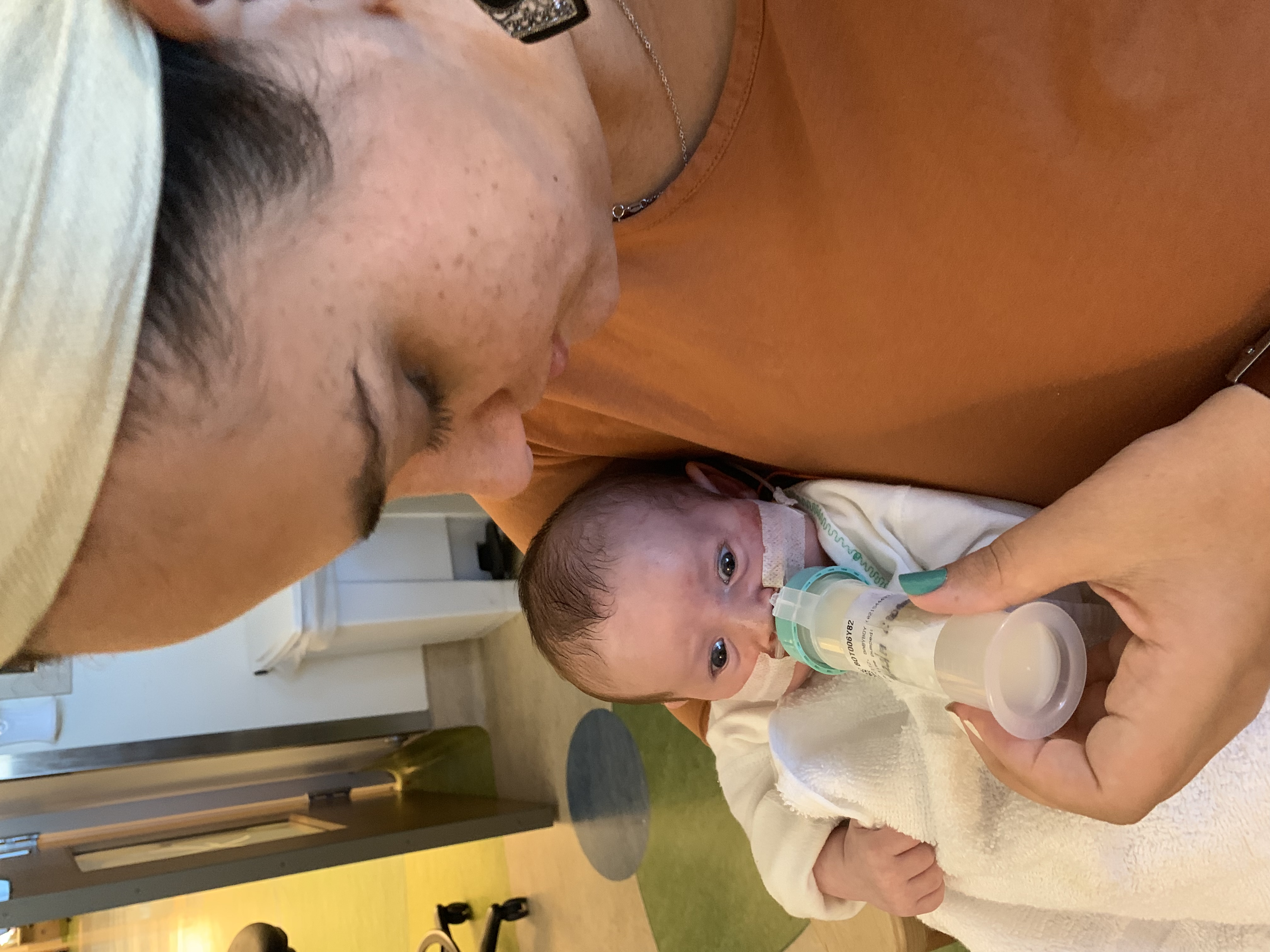
I identify with God here. I'll confess cautiously here that the want to teach empathy to people who have not suffered child-loss is a common feeling among bereaved parents. Barukh HaShem if you haven't suffered this kind of loss. Those who are here do know, and are acutely aware of what you don't know. And it's the little things that tell us this. The way you call something seemingly mundane your "biggest fear." The way you distance yourself from us and imply that the suffering we endured could never happen to you. That it's "unimaginable," that you have "no words" but aren't willing to listen to ours.
Do I wish harm to befall your child? Do I wish for you to suffer? Chas veChalilah (God forbid), of course not. But know that your inexperience is distance between us, and I ask for your humble self-awareness.
Where was Moshe? Paralyzed perhaps. Frozen. Stunned silent. Stuck in such a cycle of self-doubt that he couldn't initiate solving the problem that threatened his own family.
And because of this, when Moshe would finally go to Pharaoh and say, "Let My People Go," he would know how God feels. Moshe would remember his own fright, his own heart jumping into his throat when his child was being hunted by the Lord. And he will also remember that, when the going got rough for him, he had a spouse he could count on as backstop.
GOD
I wish he could have learned this lesson some other way. It's inhumane, I know. The way Moshe will now and forever sense the potential for danger to his child. The discomfort he will now and eternally feel.
This experience will make him understand that My Firstborn Child needs swift and decisive redemption. No more hemming and hawing. No more stalling. No more deflecting.
And perhaps now, when he comes to Pharaoh and threatens the death of Pharaoh's firstborn, a child to whom he might have been an uncle or fellow, Moshe's face will show the utter desperation that will convince Pharaoh to let the people truly go to their freedom. If there is any care between them at all, perhaps Pharaoh will behold Moses's sense of impending doom and set aside his prejudice and evil inclinations.
But I cannot afford to break this one as with so many others. I cannot afford his devastation if the Redemption is to be realized. The death of his child just to prove a point would be mutually-assured failure of the mission. So his child will live. Grateful Moshe is united with a spouse who complements his failings, who will -- despite her roots in another faith -- be the glue that holds their family and their ongoing connection to the Covenant together even as Moshe shepherds My People to the Promised Land.
GOD said to Aaron, “Go to meet Moses in the wilderness.” He went and met him at the mountain of God, and he kissed him.
וַיֹּ֤אמֶר ה׳ אֶֽל־אַהֲרֹ֔ן לֵ֛ךְ לִקְרַ֥את מֹשֶׁ֖ה הַמִּדְבָּ֑רָה וַיֵּ֗לֶךְ וַֽיִּפְגְּשֵׁ֛הוּ בְּהַ֥ר הָאֱלֹהִ֖ים וַיִּשַּׁק־לֽוֹ׃
Moses told Aaron about all the things that GOD had committed to him and all the signs about which he had been instructed. (RJPS, Exodus 4:21-28)
וַיַּגֵּ֤ד מֹשֶׁה֙ לְאַֽהֲרֹ֔ן אֵ֛ת כָּל־דִּבְרֵ֥י ה׳ אֲשֶׁ֣ר שְׁלָח֑וֹ וְאֵ֥ת כָּל־הָאֹתֹ֖ת אֲשֶׁ֥ר צִוָּֽהוּ׃
As we fall from the terrifying climax of the story, why does God next speak to Aharon, and not Moshe? In compassion. God sees that Moshe needs support, and that that support cannot come from God. The emotions are too raw, and Moshe is entitled to his reaction to this episode. The tough love, the affliction of life experience, came from God, and Aharon would need to be Moshe's emotional companion on the journey. Before Moshe will be foisted into his position as leader, God gives Moshe the opportunity to meet with, to embrace, and to verbally process all that had occurred with his brother.
And now, with that life experience, and companionship, trust in his spouse, and having taken the time to reflect, Moses is ready to lead God's People out of Egypt.



Thank you very much for this post. Your perspective on this Bible story helped me to see more. I am not Jewish, but praying for Jewish people very often. Baruch HaShem 🙏