


39
- Hinda Eisen Labovitz
- May 15
- 5 min read
I know that 40 feels like a big number. I'm not there yet. But I've been anticipating 39 for a long time.
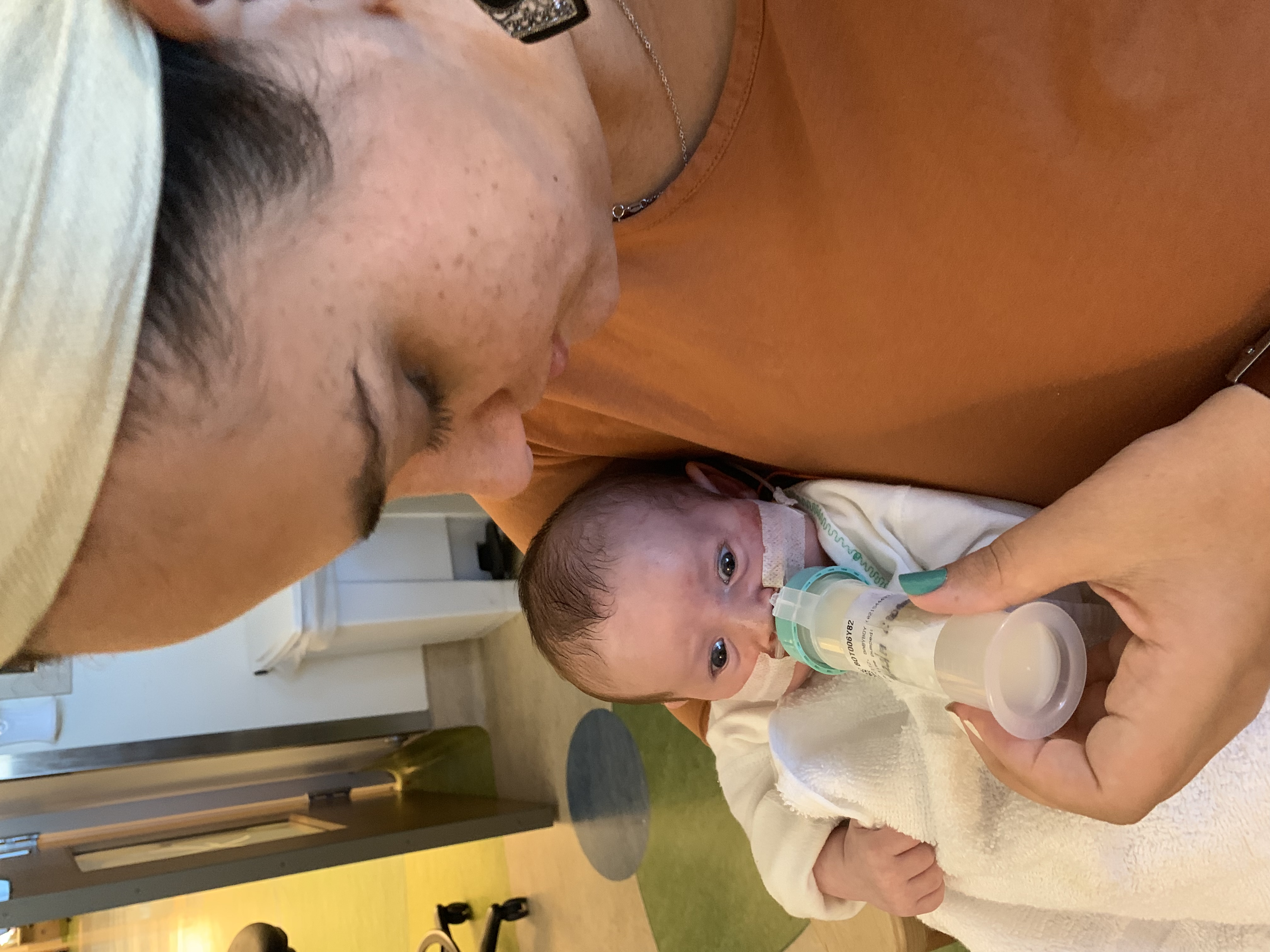
Ronen was born at 39 weeks. He lived for 39 days. He died at 4:39 PM on 9/29, when Bob was 39 years old.
Psalm 39 ends:
הָשַׁ֣ע מִמֶּ֣נִּי וְאַבְלִ֑יגָה בְּטֶ֖רֶם אֵלֵ֣ךְ וְאֵינֶֽנִּי׃ (Ps. 39:14)
Translations of the third word, ve'avligah, vary widely:
NJPS: Look away from me, that I may recover, before I pass away and am gone. (JPS adds, to the highlighted phrase, "Meaning of Heb. uncertain.")
Koren: Look away from me, that I may recover brightness, before I go hence, and am no more. Through the French Bible du Rabbinat: Give me a little respite, so I can breathe, before I leave and it's all over for me.
Through the Yiddish Yehoyesh: Look away from me, and let me invigorate myself (און לאָמיך זיך אױפֿמונטערן), before I go away and be no more.
Robert Alter: Look away from me, that I may catch my breath, before I depart and am not.
Rashi suggests it means, "that I regain my strength."
Radak explains, "va'avligah' — that is to say: I will strengthen myself out of illness and return again to do Your will."
ve'avligah (וְאַבְלִ֑יגָה), from the root בלג, is translated by the Brown-Driver-Briggs dictionary first as "to gleam, smile," clarifying, "shew a smile, look cheerful." The second definition is "cause to burst or flash." So why don't any of the sources above use words about gladness, cheer, gleaming, or smiling in this context? Surely the verse might be more accurately rendered, "Look away from me so that I might be gladdened..." (or something like this?)
...Coming back to this.
On the thirty-ninth day after Ronen's death, I wrote the following:
--
I rely on the comfort of friends, and I text a couple of them to let them know what is going on with me today. As it is day 39, one sends me a verse from Psalm 39:
נֶ֭אֱלַמְתִּי לֹ֣א אֶפְתַּח־פִּ֑י כִּ֖י אַתָּ֣ה עָשִֽׂיתָ׃
I am dumb, I do not speak up, for it is Your doing.
Appropriate, I text back.
But as I meditate on this verse, letting it get absorbed into my heart, I’m all the more grateful for it. I’m grateful for my friend’s reminder that as intense as my pain is today, as silent as I have been today, I am not alone. Not now, on the horizontal axis of my contemporaries, and not in time, on the receding vertical axis of history.
I find Psalm 39 on Sefaria and continue reading.
חַם־לִבִּ֨י ׀ בְּקִרְבִּ֗י בַּהֲגִיגִ֥י תִבְעַר־אֵ֑שׁ דִּ֝בַּ֗רְתִּי בִּלְשׁוֹנִֽי׃
(Ps. 39:5)
Like me, I hear the psalmist’s deafening silence. My thoughts were all aflame, the poet writes. The intensity of the swirling flames engulfs my own heart. I understand the poet’s silence, the stillness, which lasts only long enough to achieve a centeredness and a grounding before declaring in defiance before God.
I am making it through life in forward motion as long as I can pretend I’m okay. I’m talking about Ronen when I can, I’m surrounded by pictures of him, I’m doing my best to be productive. As much as I believed that in the time Ronen was in the NICU my stress level didn’t increase percentage-wise but only because my stress-meter doubled in size, my meter has shrunk and I’m always at or approaching maximum capacity. If I used to feel optimal when I had space the size of a large orb, I now feel the most optimal level I can reach is the amount the orb remains inflated while being sat on by an elephant. Even at my most calm, my tear ducts remain full and any threat readies them to spill over. How is it that my life has kept going longer than my son’s was long already?
Next week I return to work, though I admit I’ve already started responding to emails. As it is, I sit daily pondering this thought from Rainer Maria Rilke, to a woman who had lost her brother:
You must […] continue his life inside of yours insofar as it was unfinished; his life has now passed onto yours. You, who quite truly knew him, can quite truly continue in his spirit and on his path. Make it the task of your mourning to explore what he had expected of you, had hoped for you, had wished to happen to you.[1]
[1] Rainer Maria Rilke, "Letter to Sidonie Nádherná von Borutín" (August 1, 1913), in The Dark Interval: Letters on Loss, Grief, and Transformation, translated and edited by Ulrich Baer (New York, NY: Modern Library, 2018), p. 14.
--
So why not translate ve'avligah וְאַבְלִ֑יגָה as "to smile," "to be cheerful," something of the sort? Is BDB's understanding of this word so far off-base from tradition?
Hebrew has so many words for gladness, laughter, happiness. צחוק, שמחה, גילה, רינה, צהלה, to name a few. This one is different. Its nuance must be tenderly pried apart.
We can understand it from its context. Where does וְאַבְלִ֑יגָה appear? In Psalm 39, a psalm about struggling with God. Where else?
Job:
אִם־אמְרִי אֶשְׁכְּחָ֣ה שִׂיחִ֑י אֶעֶזְבָ֖ה פָנַ֣י וְאַבְלִֽיגָה׃
If I say, “I will forget my complaint; Abandon my sorrow and be diverted,” (NJPS Job 9:27)
הֲלֹֽא־מְעַ֣ט יָמַ֣י וַחֲדָ֑ל וְשִׁ֥ית מִ֝מֶּ֗נִּי וְאַבְלִ֥יגָה מְּעָֽט׃
My days are few, so desist! Leave me alone, let me be diverted awhile. (NJPS Job 10:20)
Jeremiah:
מַבְלִ֥יגִיתִ֖י עֲלֵ֣י יָג֑וֹן עָלַ֖י לִבִּ֥י דַוָּֽי׃
When in grief I would seek comfort, my heart is sick within me. (NJPS Jeremiah 8:18)
To the Jeremiah text, BDB suggests a translation of its own: "a source of brightening to me in sorrow."
Our two most destitute biblical prophets. וְאַבְלִ֑יגָה then, is really the joy one feels as one emerges from a cloud of grief and sorrow. Having experienced pain, suffering, loss, and finally feeling the glimmers of hope and healing.
To the conclusion of Psalm 39, I understand, paraphrasing slightly, to mean:
הָשַׁ֣ע מִמֶּ֣נִּי וְאַבְלִ֑יגָה בְּטֶ֖רֶם אֵלֵ֣ךְ וְאֵינֶֽנִּי׃
Look away from me, that I may finally smile, regaining strength, before I leave and vanish under prying eyes.
Perhaps this is my upcoming job transition talking, one that takes me a little bit farther away from the spotlight and gives my introverted brain a little more recovery time between exposures. And anticipating a few weeks' sabbatical between jobs, so that the limit in demands will give my own heart and brain time to calm, reflect, divert and recover.
And this is my commitment to myself at 39: to rediscover myself. To emerge from grief and burnout with renewed strength and even joy. Like tal / dew, which is the Hebrew number 39, as the payyetan writes, "Springing up under under God's shade anew / Sign of regeneration, shield of future generations -- dew."
And if it goes well enough, like Jack Benny, I'll do it all again next year.


Comments